Opinion:The UK needs to follow the US with dedicated business aviation airports
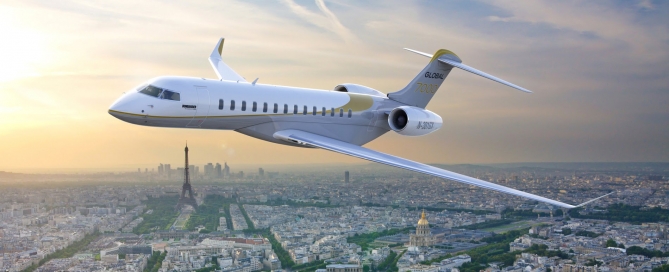
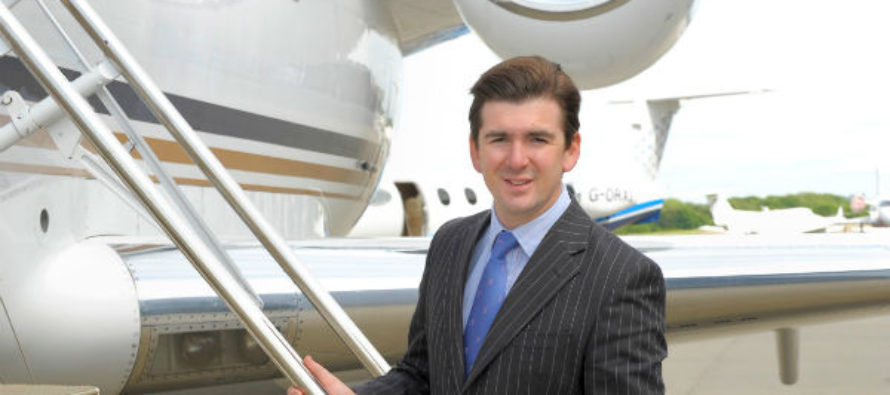
Robert Walters, business development director at London Biggin Hill Airport, says that if the UK government does not recognise the importance of business aviation the country will not be able to keep up with demand. London Biggin Hill Airport Last week, as the British Chancellor announced the new Budget, the UK’s Business and General Aviation industry leaders met to discuss the market at a time of pronounced political uncertainties, particularly in Europe and North America. But despite ongoing political shifts, it must be business as usual for the rest of us. As with any industry, there are those tenets which are constant. For the property market it is the timeless principle of Location, Location, Location. For airports, there are a couple of adjustments: Location, Flexibility, Capacity. The latter of those is in crisis. The business jet industry is a lucrative and constantly evolving market, with the next decade likely to see around 8,000 deliveries of business jets, worth nearly $250 billion. The emergence of dedicated business aviation airports is a growing trend in response to a massive surge in demand for more and more city-dyad links in an era of intensifying global business transactions. Within the next 10 years, emerging economies will dominate the market, both as producers and the customers of rapidly evolving new technologies. Indeed, this is strengthening the case for dedicated business aviation airports, and in the UK, just three dedicated airports (Farnborough, Biggin Hill and Oxford) now account for more than a fifth of the entire UK market. This reflects the strong demand for specialist FBOs away from the bustle of scheduled airliners. As anyone working in aviation is acutely aware, the government is having to address the fact that by 2030, Heathrow, Gatwick, London